The Gently blog
Common Wording Mistakes When Asking for Permission
Learn how to ask for permission clearly and professionally by avoiding common wording mistakes. See practical before-and-after examples and tips.
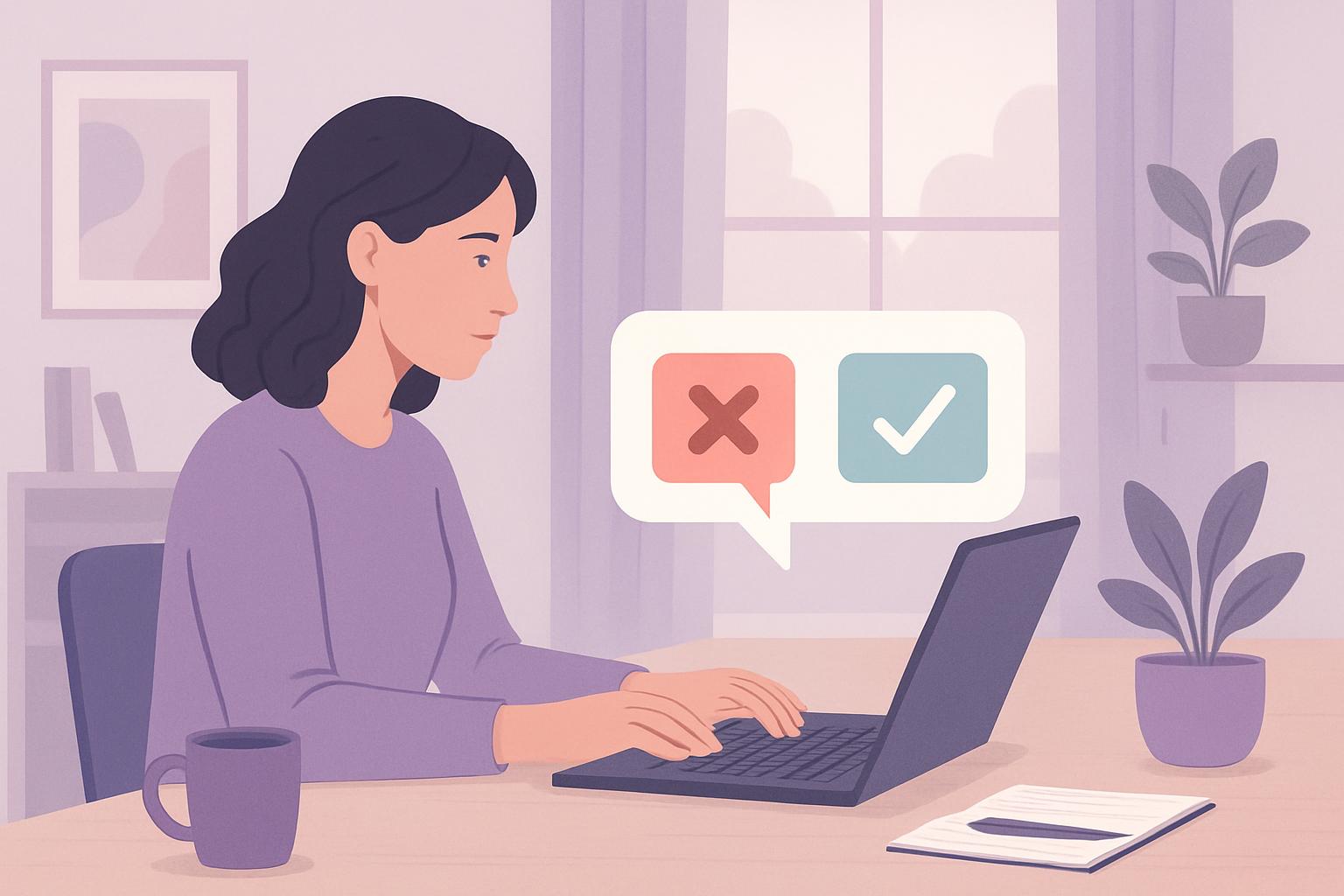
Start with Clarity and Respect
When you need to ask for permission, whether in an email, message, or online form, your wording matters. Vague or awkward phrasing can create confusion, make you seem hesitant, or even come across as demanding. To receive a prompt and positive response, focus on being clear, polite, and respectful from the start.
Why Wording Mistakes Happen
Asking for permission can feel uncomfortable. People often choose words or phrases that sound softer or less direct to avoid sounding pushy. However, unclear wording can leave your request misunderstood, ignored, or denied. It is important to strike the right balance: confident but considerate, specific but not bossy.
Mistake 1: Being Too Indirect or Vague
A common mistake is using indirect language that obscures your actual request. Phrases like “I was just wondering if...” or “Would it maybe be possible to...” can weaken your message.
Fictional example:
Before: "I was just wondering if it might be possible for me to come in late tomorrow."
After: "May I come in late tomorrow? If so, I’ll make sure to complete my tasks by the end of the day."
Direct language makes your request clear and easier to process. Your reader shouldn’t have to guess what you are really asking.
Mistake 2: Sounding Too Demanding or Casual
At the other end of the spectrum, asking as if you expect a yes can sound inconsiderate or abrupt. Likewise, being too casual can reduce professionalism.
Fictional example:
Before: "I need to leave early Friday. Let me know if that’s a problem."
After: "Would it be possible for me to leave early on Friday? Please let me know if there are any concerns."
By showing respect for the other person’s role in the decision, you foster cooperation and goodwill.
Mistake 3: Forgetting to Give Context
Lack of context may leave your recipient unsure why you are asking, which can slow down their response. Where appropriate, provide a brief explanation so your request feels reasonable.
Fictional example:
Before: "Can I use the meeting room next Thursday?"
After: "May I use the meeting room next Thursday from 2 to 3 pm for a client call? If that time is already booked, please let me know of any available alternatives."
This approach helps readers quickly understand your needs and make a decision without extra back-and-forth.
Don’t Forget the Right Tone
The tone you use when asking for permission sets the stage for how your request is received. Even a clear request can seem abrupt if it skips greetings or gratitude. Expressions like “please,” “thank you for considering,” or a simple “let me know if you need more information” can make your message friendlier and more approachable.
Fictional example:
Before: "Can I have those documents?"
After: "Could you please share the documents when you have a moment? Thank you very much."
How Gently Can Help
Getting your wording just right can be challenging, especially when sending messages quickly during your day. Gently, an AI writing assistant, helps you rewrite emails, messages, comments, and forms as you type. With a simple click, Gently can polish your language, improving both grammar and tone. Whether you are asking for an exception to a policy or a simple favor, Gently can help your words have the desired impact.
Practice, Review, and Improve
Making these small adjustments to your requests can have a big impact over time. The next time you ask for permission, review your wording for confidence, clarity, and courtesy. If you need more support, Gently offers a simple way to refine your everyday writing, right inside your text box.
Explore Gently for help with everyday writing.
Discover Gently