The Gently blog
How to Sound Professional When Requesting a Refund
Learn key strategies and examples to communicate effectively and maintain a professional tone when requesting a refund, especially in emails and messages.
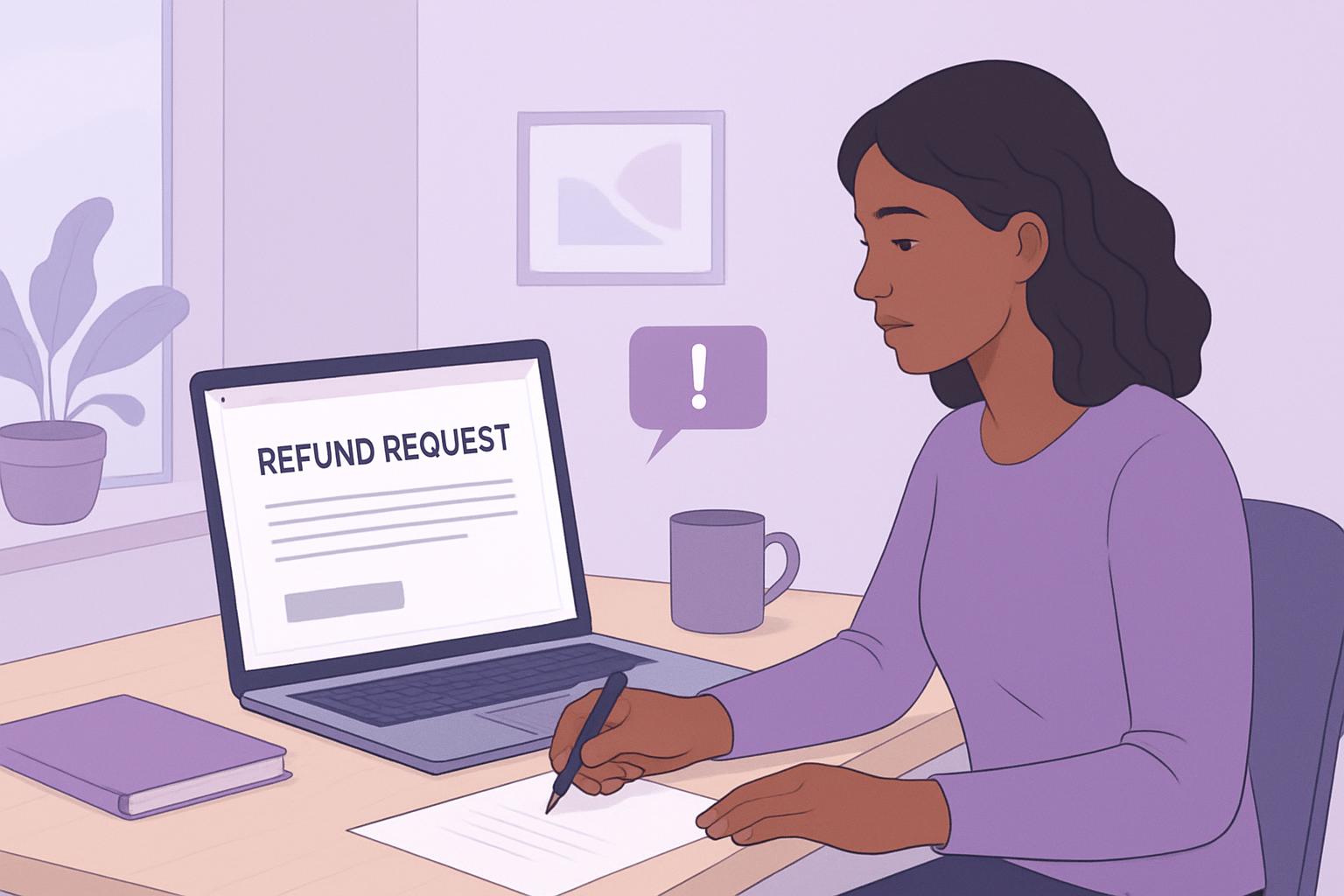
Start with Clarity and Politeness Requesting a refund can feel challenging, especially if you want to be taken seriously while remaining courteous. How you phrase your message directly impacts how it will be received. Starting your communication with a clear mention of your request sets the tone for a productive interaction. Politeness greatly increases the chances of a prompt and positive response.
State What Happened and Why You Are Requesting a Refund One of the most important elements in a refund request is providing context. Briefly explain what prompted your request, such as a product not matching its description or a service not being delivered as agreed. Present the facts without expressing frustration or assigning blame, which keeps the message professional and focused on resolution.
Fictional Before Example:
"I want my money back. The product was bad."
Fictional After Example:
"I am writing to request a refund for my recent purchase, as the product did not arrive as described."
The second version gives a clear reason and sets a professional tone right from the start.
Use Neutral and Respectful Language It is normal to feel disappointed if an order did not meet your expectations. However, using neutral language shows you are serious and businesslike. Avoid sarcasm, exaggeration, or blame, even if you feel strongly about the situation. Focus on specifics, such as dates, order numbers, or relevant details, that help the recipient understand your case.
Fictional Before Example:
"You clearly messed up my order. Fix this and refund me."
Fictional After Example:
"I noticed that my order (#12345) was incomplete upon delivery. Could you please assist with a refund for the missing item?"
This approach maintains professionalism and offers the recipient the information needed to resolve the issue efficiently.
Make Your Request Direct, But Not Demanding Clear communication often means stating your intention plainly, but without sounding forceful. Frame your refund request as a question or polite statement, rather than a demand. This style is much more likely to receive a cooperative response from customer service representatives or sellers.
Fictional Before Example:
"Refund me now or I’ll never use your service again."
Fictional After Example:
"I would appreciate your help in processing a refund for this order. Please let me know if you need any additional details from me."
The after example remains direct but is courteous and constructive.
Close with Appreciation and Contact Details A professional message finishes on a courteous note, even in difficult situations. Thanking the recipient for their attention or assistance shows respect and encourages a positive response. Offering your contact information and indicating your willingness to provide further details can also help resolve the issue more quickly.
Fictional Example:
"Thank you for reviewing this request. Please contact me if further information is needed."
Even if your initial experience was disappointing, ending on a cooperative note positions your message for a better outcome.
Refine Your Tone and Clarity Easily Crafting refund requests that are both clear and professional can be challenging, especially when emotions run high. Using writing tools designed for real-world situations can help you adjust your tone and polish your words directly where you type. Whether you are composing an email, message, or filling out a form, refining your message before sending it can make a significant difference in resolving issues smoothly.
If you often handle sensitive customer interactions or want to ensure your requests are both effective and respectful, consider exploring writing assistance tools to help you communicate better wherever you write.
Explore Gently for help with everyday writing.
Discover Gently